The days get shorter and colder during the winter months. The amount of sunshine we are exposed to becomes limited to none, which can gravely impact your mental health. There has also been links found between higher temperatures and suicide rates. This is commonly known as SAD (Seasonal Affective Disorder) a term used to define different mental states which are often as an effect from the changing of the seasons.
Depression is defined as a mental illness. Whilst mental illnesses are not normalised to the degree that physical illnesses are, the symptoms and effects can be just as strong. Depression is a mentally a low mood, a decrease in enjoyment, feelings of anxiety or stress and generally feeling worthless. Physically, depression can cause a change in appetite; you can gain or lose weight quickly, have a lack of energy and lose your labido. Whilst depression can induce feelings of being misunderstood and lonely, it can worsen when socially someone who suffers from a mental illness can socially withdraw and become suddenly introverted, having no energy to socialise.
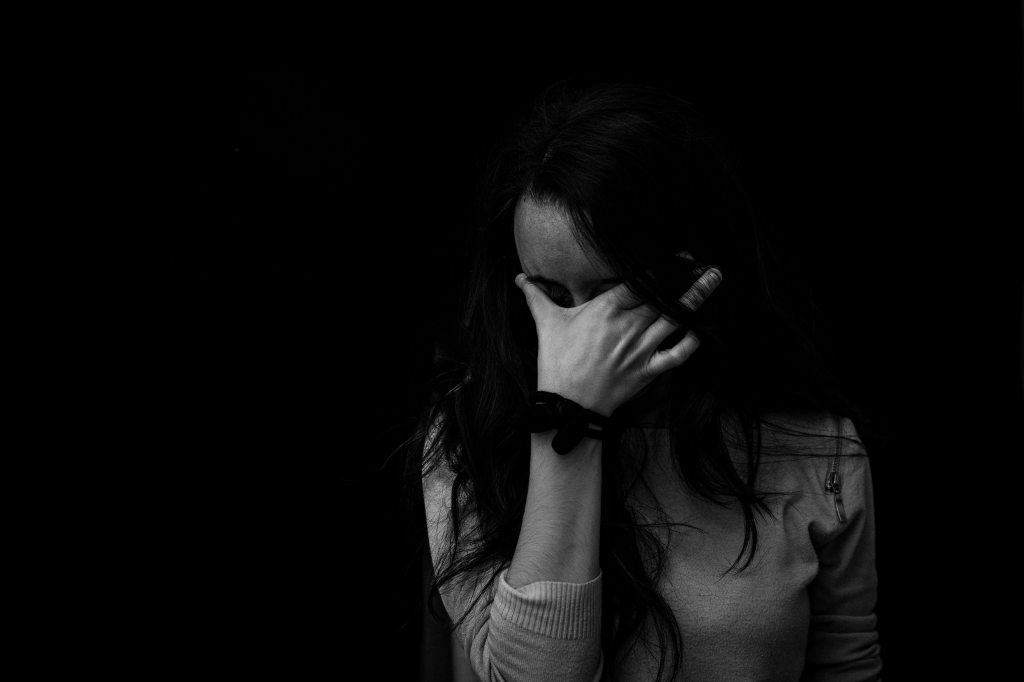
SAD is a seasonal depressive episode, which is more common in the winter months. Studies have found that this mental state is brought on when we feel more or less than comfortable. For example, when the months are colder and warmer temperature wise, there may be a change in appetite or sleeping patterns. By monitoring how you feel inside and out during the seasons can better your own understanding on Seasonal Affective Disorder. In the winter, experiencing the normal symptoms of depression, at a regular occurance, can be a major symptom of SAD.
Why is SAD important to understand, in concerns for students? During the main seasons, when the weather is at its peaks or its lowest, university can seem like a bigger mountain to climb. With deadlines coming at students all at once and being away from family during the winter months, it can be hard for students, especially those that are new to university life. However, SAD can affect all students. Naomi Hodgson, 21, a student at Manchester Metropolitan University is in her third year – currently taking a year out of studying in order to complete her placement at N Brown. The fashion, buying and merchandising student suffers from SAD, something which she cannot control. She begins by telling me that as the days become darker at 4pm, her mental health begins to take a turn for the worse. Having to start her placement at 8am, on any normal day she will set off to work whilst the sun is still down and is leaving work after the sun sets.
“I can definitely feel a shift in my attitude towards my life in the winter months, that’s when i feel my seasonal depression the most,” she tells me. She goes on to say that her seasonal depression started when she started university, something ‘shifted’ in her and she started to feel ‘less motivated’ by her studies.
“I had no idea why I had become so drained. I was so enthusiastic about my studies at first, and then I fell off. I felt so low within myself that I forgot about my degree and about working.” This is common to feel with seasonal depression. With all of the symptoms of depression showing themselves, it’s hard for students to fully engulf themselves when they lack motivation and begin to feel worthless.
“It was so hard for me to get help because I knew nothing about this mental illness. I had never experienced depression before, so when I started feeling this way, I didn’t know what to do,” she admitted. SAD is commonly not reported; the symptoms as reported can ‘come on all at once’ due to the sudden changes in climate and shorter days.
It’s important for universities to offer support and help during the busier times of the semester for its students. If your seasonal depression is affecting your life so much that daily functions become a lot – guidance and support can be offered from councillors at university. The best way to get help is by recognising the symptoms and acting fast.
 Help Your Health